



Generator Installation
in Toronto & the GTA
Langstaff & Sloan Inc., a licensed electrical contractor serving Toronto since 1991, provides generator installation and standby power integration for homes across the GTA.
Why Toronto Homeowners Plan for Backup Power
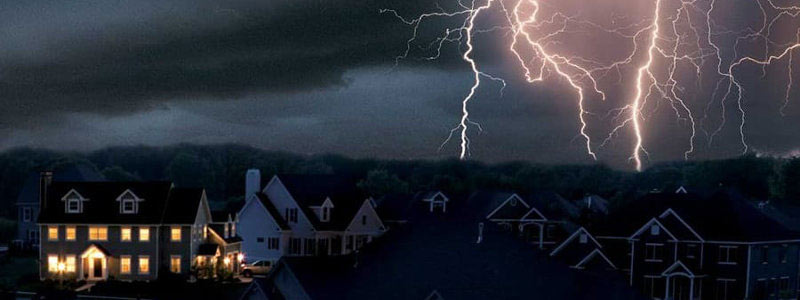
Much of Toronto still receives power through overhead lines, and high winds or falling branches can pull down the service connection to a home. When that happens, the house stays without power until the line is repaired, which can leave heating, refrigeration, and sump pumps offline during the worst possible weather. Some GTA areas, including parts of Oakville, have underground service that is less exposed to storm and tree damage, but many Toronto streets do not.
A standby generator keeps essential equipment running until utility service returns. Planning one well starts with the electrical system already in your home, because the panel, service size, and wiring determine what a generator can safely supply and what may need attention first.
Residential Generator Installation for Toronto Homes and Businesses
For Homeowners
A home standby generator can keep selected heating equipment, refrigerators, lighting, sump pumps, and other essentials operating during an outage. Depending on the system, homeowners can choose essential-circuit backup or a larger installation designed to support most or all household loads.
For Businesses and Managed Properties
Backup power helps protect business continuity when outages affect communications, security, lighting, and essential operations. The objective is to identify which equipment must remain available and how much backup capacity those systems require.
Langstaff & Sloan’s seven-person team provides the staffing flexibility needed for larger electrical work, including projects requiring multiple electricians on site.
What's Included in Our Backup Generator Installation Service?
A generator is only useful when it can safely supply the circuits that need power. Our backup generator installation planning focuses on the electrical system connecting that equipment to your property.
Depending on the installation, the scope includes:
- Electrical load assessment: Identifying essential loads and generator capacity requirements.
- Transfer equipment: Selecting and installing a suitable automatic transfer switch (ATS) for standby systems.
- Panel and circuit integration: Reviewing existing equipment and connecting designated backup circuits.
- Generator wiring: Installing appropriate conductors, protection, and electrical connections.
- Testing and commissioning: Verifying the electrical installation and transfer operation.
- ESA coordination: Arranging required electrical notifications and inspections.
How Your Home’s Electrical System Shapes the Installation
A generator connects to your home through the panel and service equipment you already have. Before recommending a system, we look at whether that equipment is in good condition and has the capacity to handle the work.
Panel Age and Condition
We assess a panel’s age as well as its capacity. Panels more than 25 years old are generally recommended for replacement even when they still have enough capacity, and panels in garages or other spaces without climate control tend to age faster because of heat and humidity. Connecting transfer equipment to a panel near the end of its service life can mean redoing the work sooner than expected.
Service Size
Homes on 60A or 100A service may have limited room for a larger backup system, especially once electric heating, a heat pump, or an EV charger is added. In some cases, a service upgrade, such as 100A to 200A, makes sense before or alongside the generator installation.
Older Wiring
Many older Toronto homes still have knob-and-tube wiring, aluminum wiring, or modifications made by previous owners, often visible in unfinished basement ceilings. Circuits you plan to put on backup power need to be in safe condition before they are connected to a generator.
Upgrades You’re Already Planning
If you expect to replace a furnace with a heat pump or install an EV charger, it’s worth building that into the generator plan now. Sizing the transfer equipment and wiring only for today’s loads can mean paying twice once those changes happen.
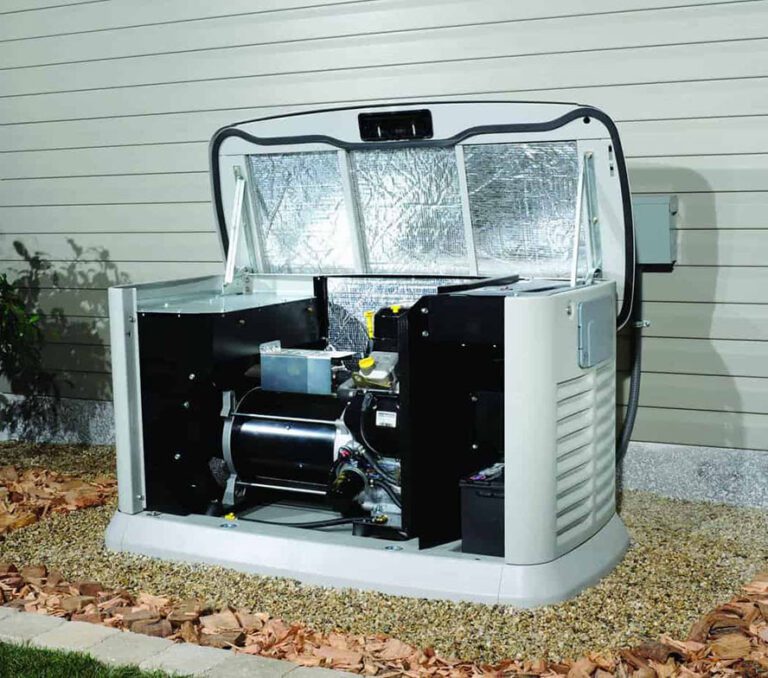
Whole house generator installation is one option, but not every home needs it. The right arrangement depends on what you want to keep running when utility power is unavailable. Permanently installed standby generators typically run on natural gas or propane.
- Essential-circuit standby systems: A permanently installed generator and automatic transfer switch supply a selected group of circuits, such as heating, the refrigerator, the sump pump, and some lighting.
- Whole-home standby systems: A larger generator and transfer equipment supply most or all of the home’s electrical loads.
- Portable generators: Smaller systems can supply selected equipment directly or through an approved manual transfer arrangement. They require safe outdoor operation and proper protection against backfeeding.
Our Generator Installation Process
Assess the Property and Backup Requirements
We begin with a site review, discussing outage priorities, electrical demand, existing equipment, and installation conditions.
Plan the Electrical Integration
The proposed arrangement identifies the transfer equipment, circuit connections, wiring requirements, and any electrical changes needed before installation.
Complete Installation and Testing
Our electricians complete the agreed electrical work, check the connections, and verify operation before the system is placed into service.
Coordinate ESA Inspection
Required notifications are filed with the Electrical Safety Authority (ESA), and inspection arrangements are made as applicable.

A standby generator installation is only the beginning of reliable backup power. Like other mechanical equipment, generators need routine servicing to remain ready after extended periods without use.
Maintenance may include scheduled exercising, battery checks, oil and filter servicing, fuel-system checks, and inspection of electrical connections, following manufacturer requirements.
Service intervals vary by equipment and operating conditions. Maintenance responsibilities should be established when selecting a system, rather than waiting until an outage exposes a problem.
A reliable backup power system depends on more than the generator itself. It requires sound electrical judgement, an understanding of the property’s existing systems, and careful consideration of how those systems will perform together.
Langstaff & Sloan brings over three decades of electrical contracting experience across Toronto and the GTA to these decisions, backed by the leadership of our president, Rob Sloan, a recipient of the Richard Collis Award from the Ontario Electrical League.
Our safety practices are reinforced through third-party audits and professional training with SP Safety. With a team of seven, we can also put multiple electricians on site when a larger installation calls for it.
When the power goes out, you’re relying on every electrical decision made before it happened.

Generator Installation Across Toronto and the GTA
Get a Home Backup Generator Installation Quote
Planning backup power for your property? Tell us what equipment you need to keep running, whether you have selected a generator, and what electrical equipment is currently installed. We’ll review your home backup generator installation requirements, explain the electrical work involved, and help establish the next steps toward an estimate.
Frequently Asked Questions
The right size depends on what you need to power during an outage. A system supporting refrigerators, lighting, a sump pump, and essential heating equipment will generally require less capacity than one powering an entire property. Langstaff & Sloan can assess your electrical loads, including equipment starting requirements, to help determine the appropriate generator capacity.
Langstaff & Sloan handles the electrical installation, including generator wiring and transfer equipment. Natural gas and propane connections must be completed by a licensed gas technician working for a TSSA-registered contractor. Any gas-fitting coordination should be clarified in your project estimate.
In Ontario, permanently connecting a standby generator to your electrical system requires a notification of work filed with the Electrical Safety Authority (ESA). The electrical installation must also use approved transfer equipment to prevent power from feeding back into utility lines. Additional approvals may be required for fuel connections or generator placement.
ESA inspections are scheduled for an available date, but you cannot select an exact arrival time. Make sure the electrical equipment is accessible, and someone can provide entry if an on-site inspection is required. Langstaff & Sloan offers paid on-site representation for homeowners who cannot attend, subject to availability.
The electrical installation may take one or more working days, depending on the wiring, transfer equipment, and modifications required. The overall project schedule must also account for generator delivery, any gas or propane connections, and ESA inspection arrangements. Langstaff & Sloan can establish a more accurate timeline after assessing the property and proposed system.