When several tenants, departments, or living spaces share one electrical account, the monthly bill rarely tells the full story. Owners may know what the property consumed, but not which areas are driving costs or whether electricity expenses are being divided fairly.
Sub-metering provides that missing detail by measuring usage within individual suites, tenant spaces, departments or major equipment loads.
After more than three decades working with electrical systems across Toronto and the GTA, Langstaff & Sloan has learned that effective sub-metering starts with understanding the property, its electrical distribution and the applicable requirements. We have brought those lessons together in this guide to help you understand where sub-metering fits, what installation involves, and what should be assessed first.
Why One Electricity Bill May Not Be Enough
A main utility meter records the total electricity entering a property. Sub-meters provide a more detailed view by recording consumption after that main meter.
This can be useful in:
- Multi-unit residential buildings
- Duplexes and triplexes
- Condominiums
- Commercial plazas
- Offices with several departments
- Retail and mixed-use properties
- Large homes with separate living or working areas
Without individual usage data, landlords may divide costs using estimates, floor area, or fixed percentages. Commercial property managers may know that overall consumption has increased without knowing whether the cause is a particular tenant, piece of equipment or operating schedule.
Sub-metering can help identify these differences. It may be used for internal energy monitoring, utility bill reconciliation or tenant billing, but those uses are not regulated in the same way.
Measurement Canada distinguishes between meters used only for monitoring and revenue meters used to calculate electricity charges. When sub-meter readings form the basis of a charge, the meter must meet federal approval, verification and sealing requirements.
Signs That Sub-Metering Should Be Considered
High electricity costs do not automatically mean a property needs sub-metering. An electrical system assessment should first examine how the building is occupied, how circuits are distributed, and what the owner wants to achieve.
A closer review may be worthwhile when:
- Several tenants or departments share one electricity bill
- Consumption has increased without a clear explanation
- A landlord plans to separate utilities between units
- New HVAC equipment, EV chargers or machinery are being added
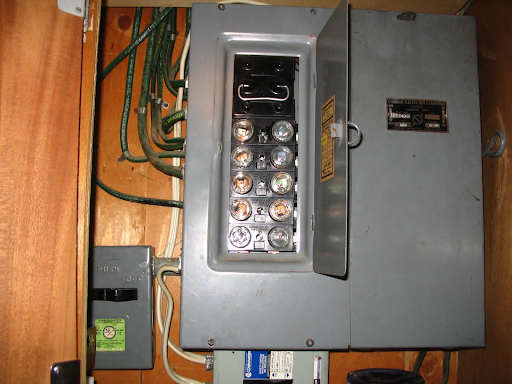
- Existing panels are ageing, full or poorly labelled
- Circuits trip frequently under normal demand
- Shared loads make tenant billing difficult to calculate
- Owners need better data before planning electrical upgrades
The assessment may show that the existing distribution is suitable for a straightforward sub-meter installation. In other buildings, circuit tracing, feeder separation, or an electrical panel upgrade may be necessary first.
An older property could also require electrical safety upgrades, circuit panel replacement or electrical service upgrades. However, installing sub-meters does not automatically require a full house electrical rewire. The scope should reflect the actual condition of the system rather than a standard package of unnecessary work.
What Sub-Metering Can—and Cannot—Improve
The most immediate benefit of sub-metering is greater visibility.
Property owners and managers can use the information to:
- Allocate electricity costs more transparently
- Compare consumption between units or departments
- Identify areas with unusually high demand
- Measure the effect of energy-saving improvements
- Plan future residential electrical upgrades
- Support decisions about commercial electrical upgrades
- Track equipment or operational energy use
- Reduce disputes caused by estimates
Sub-metering can also provide useful information when a property is considering upgrades such as new heating and cooling systems, an EV charger, additional machinery, or even a pot light installation across a large commercial or residential space.
However, a sub-meter is a measurement device, not a protective device. It does not replace properly sized conductors, breakers, fuses, or safe panel capacity. The safety value comes from the professional review surrounding the project and from correcting any electrical conditions uncovered during that assessment.
How a Sub-Meter Installation Is Planned
The first question is not which meter to purchase. It is how the readings will be used.
A system intended only for energy monitoring may have different equipment and regulatory requirements from one used to calculate tenant charges. The contractor must also determine whether the existing wiring allows individual units, departments or loads to be measured accurately.
A typical project includes:
1. Site Survey and Load Review
The electrician reviews the main service, electrical panels, feeders, major equipment and current circuit organisation. Existing drawings and panel schedules are also checked where available.
2. Panel and Safety Assessment
The condition and capacity of the distribution equipment are evaluated. The assessment may identify overloaded panels, shared circuits, inadequate labelling or equipment that must be replaced before metering can proceed.
3. Metering Design
Meter locations, monitored loads, communication requirements and shutdown needs are established. For larger commercial buildings, the system may also need to communicate with building management or energy monitoring software.
4. Installation and Coordination
Meters, enclosures, current transformers, and related components are installed. Work may need to be coordinated with occupants, property management, utilities, inspectors, and other trades.
5. Testing and Documentation
The system is tested to confirm that each meter records the intended unit or load. Panels and meters should be clearly labelled, with updated documentation provided for future maintenance.
Residential work may be completed relatively quickly when the units are already electrically separated. Commercial projects often require more planning because of multiple panels, operating schedules, tenant access, and phased shutdowns.
In Ontario, most electrical work must be reported to the Electrical Safety Authority through a notification of work. When electrical work is hired out, it generally must be completed by a Licensed Electrical Contractor.
Common Questions Before Moving Forward
Can sub-metering be added to an older building?
Often, yes. The main issue is whether the existing circuits and feeders allow the intended units or loads to be separated safely. Older Toronto properties may first require circuit tracing, panel modifications, or selective rewiring.
How much downtime is required?
Downtime depends on where the meters connect and whether the panels, feeders, or electrical service must be modified. Commercial work can often be phased or scheduled outside normal operating hours to limit disruption.
Will installation affect the existing system?
The work must be designed around the condition, capacity and manufacturer requirements of the existing equipment. Any necessary modifications should be tested, documented and inspected where required.
Who can charge tenants based on sub-meter readings?
Installing electrical metering equipment and operating a tenant billing service are different responsibilities. In Ontario, licensed unit sub-metering providers must follow the Ontario Energy Board’s Unit Sub-Metering Code.
A Typical Commercial Sub-Metering Scenario
Consider a mixed-use property where several commercial tenants share one main electricity account. The owner receives a single bill but has no reliable way to determine how much each tenant consumes.
Before meters are installed, the electrical contractor traces the feeders, identifies shared circuits, and reviews panel capacity. The final project may combine sub-metering with updated panel schedules, new metering enclosures, and targeted commercial electrical upgrades.
The result is not simply a row of new meters. It is a more organised electrical system that provides meaningful usage information and makes future tenant changes easier to plan.
Start With the Existing Electrical System
Successful sub-metering begins with understanding how electricity is currently distributed throughout the property.
Langstaff & Sloan provides sub-metering, electrical inspection services, and residential and commercial electrical upgrades across Toronto and the GTA. The company’s experience with both modern and legacy systems helps its team identify whether metering can be added to the current infrastructure or whether supporting work is needed first.
Property owners comparing electrical contractors in Toronto with electricians in Etobicoke or Markham should ask how the contractor will approach circuit separation, panel capacity, meter accuracy, ESA coordination, and future service requirements.`
An electrical system assessment can establish whether sub-metering is practical, what regulations apply, and what work should be completed before installation.
Ready to assess your property’s sub-metering options?
Ready to assess your property’s sub-metering options?
Contact Langstaff & Sloan today to schedule an electrical assessment. Our licensed electricians will review your building’s load capacity, circuit organization, and system requirements across Toronto and the GTA.